A place brand co-designed with the community
The challenge

A strong rohe (region) needs a strong place brand. But despite being New Zealand’s fastest-growing district, Selwyn lacked a cohesive identity that reflected its people, businesses, and future ambition. While an existing destination brand promoted tourism, it did not capture the district’s broader strengths or provide a clear story for why people would want to live, work and study here.
Over 250 business leaders, employers, and community representatives identified the absence of a shared identity as a constraint on attracting investment, talent, and customers.
The need was clear, so StudioC began the mahi to find a solution.
Our solution
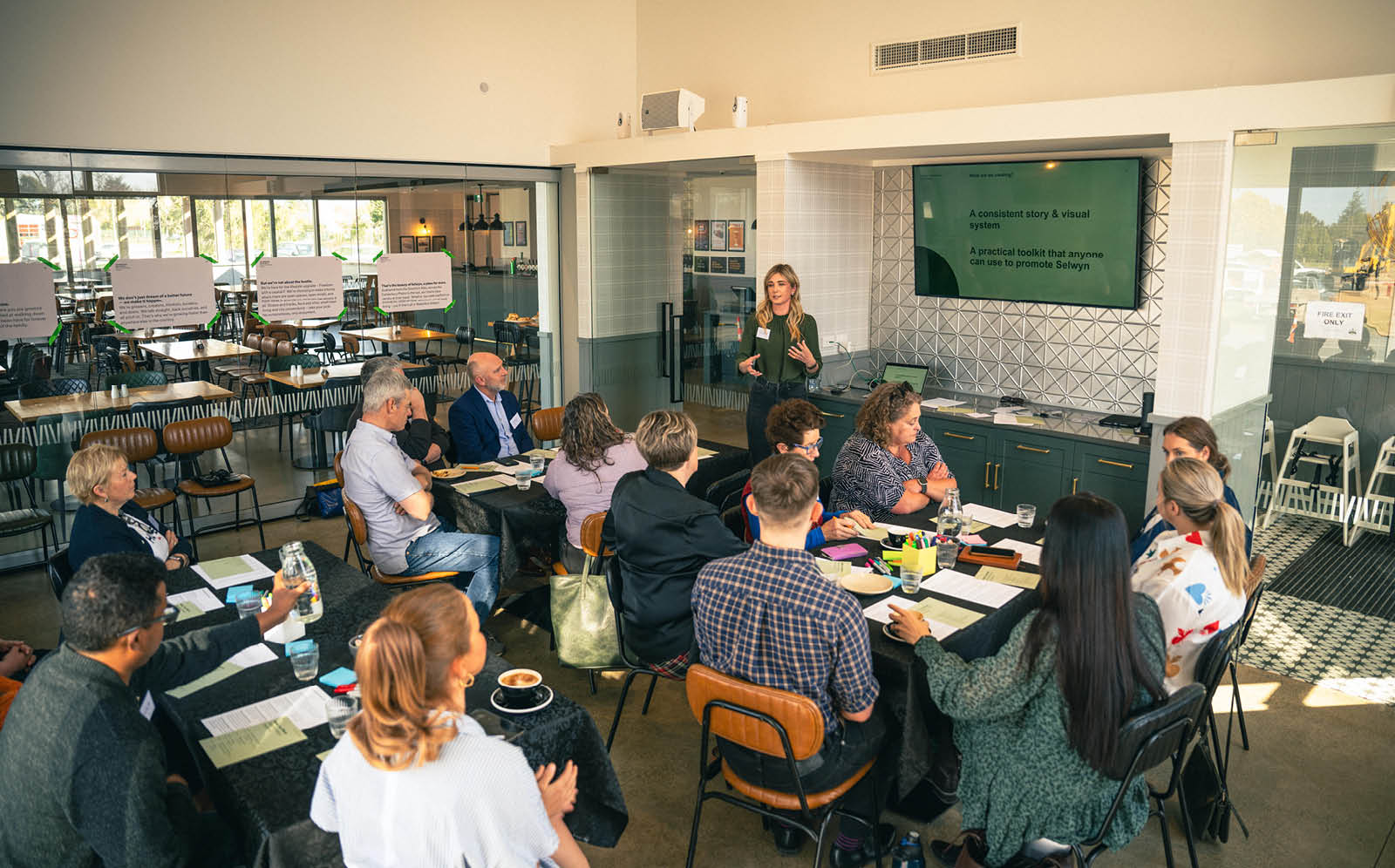
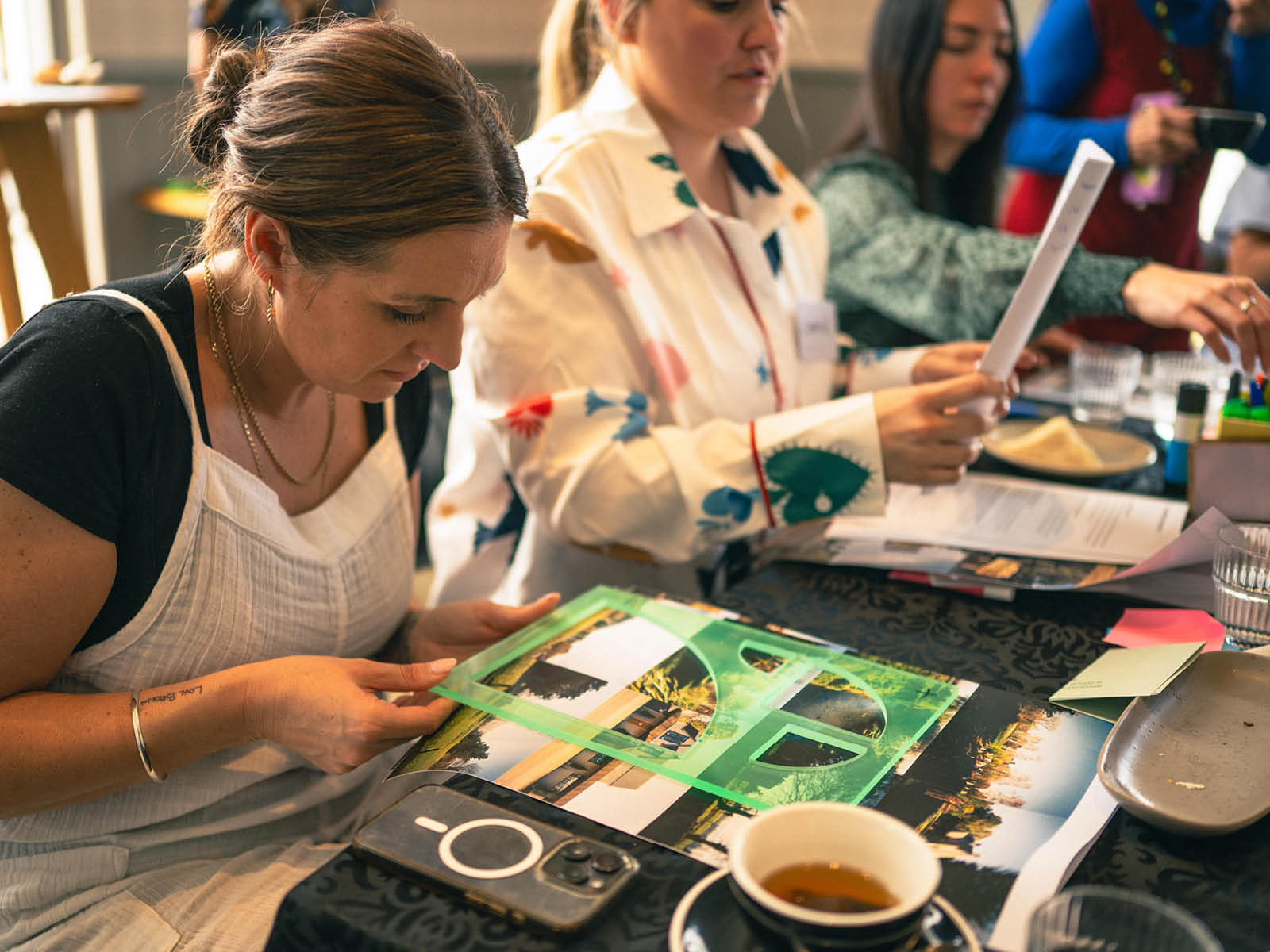
StudioC led a co-design process, starting with people rather than logos. We gathered local stories, values, and insights through on-the-ground engagement across the region. We also worked with mana whenua to shape a cultural narrative of abundance.
The result is a flexible, living brand system, with a visual identity and a toolkit that allows council, businesses, and the community to create and use the brand themselves. Rather than a static brand, it’s designed to be activated, adapted, and owned by the people of Selwyn.
At the core of the brand are five pillars: Participate, Business, Live, Visit, and Taste. This framework aligns with international place-branding best practice, ensuring relevance across residents, businesses, investors, and visitors.
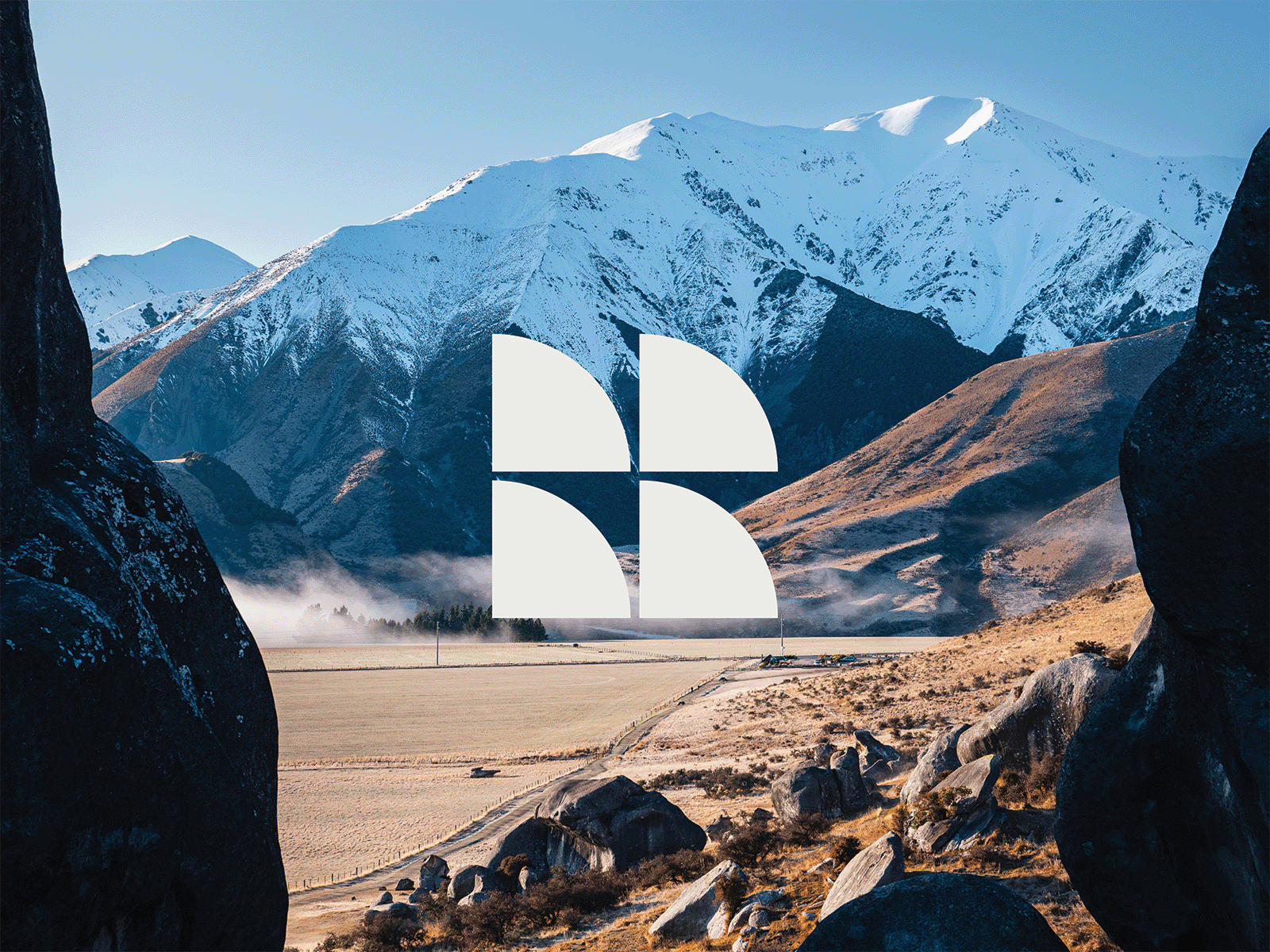
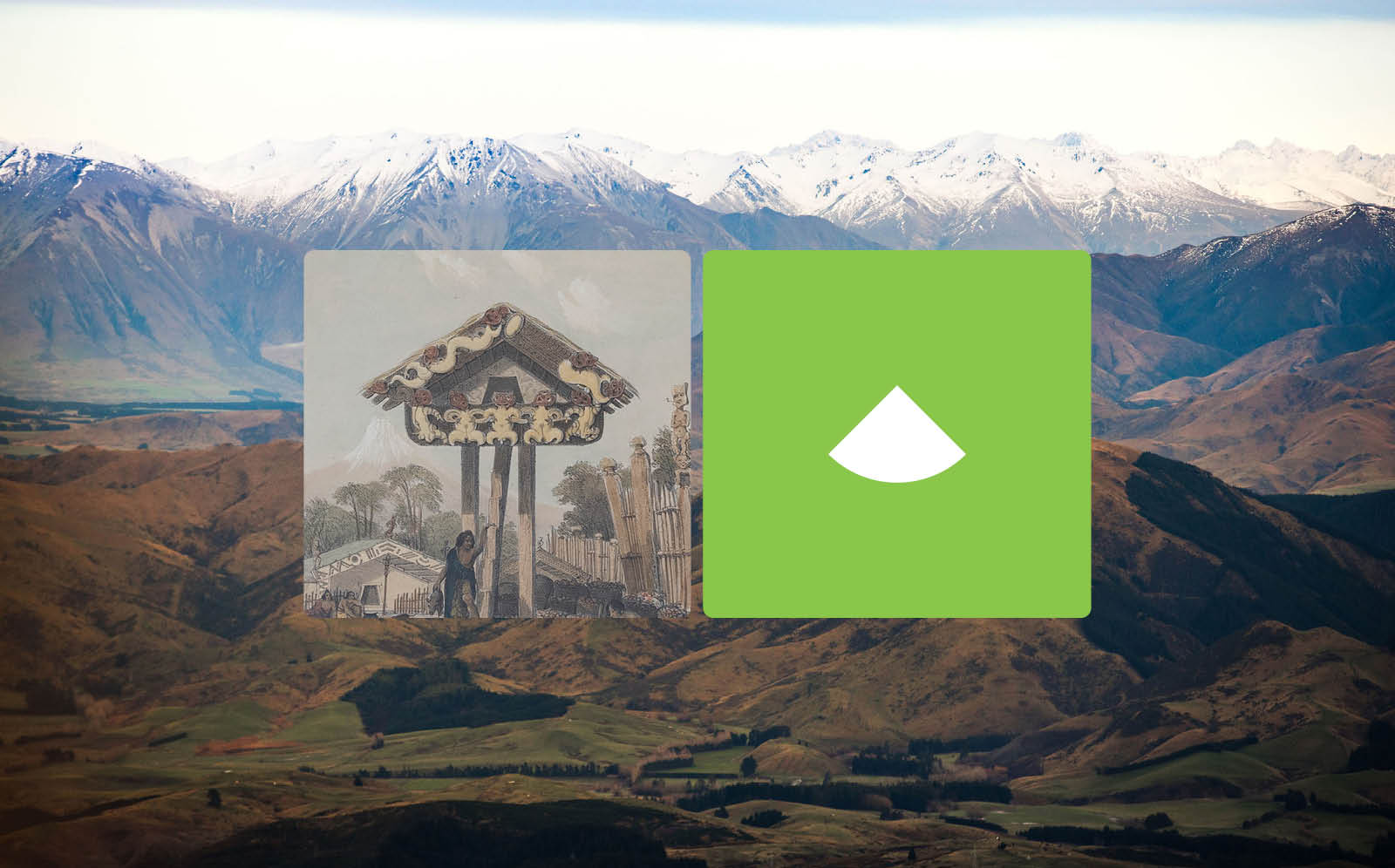
The visual identity draws on the whata, a traditional Māori storehouse symbolising abundance. This concept reflects Selwyn’s productive land, thriving enterprises, and connected communities. The form also references the Southern Alps rising from the Canterbury Plains – an essential part of the district’s identity and a key landmark for anyone arriving in the district.
We rolled out the brand using a summer campaign that encouraged exploration around the region.
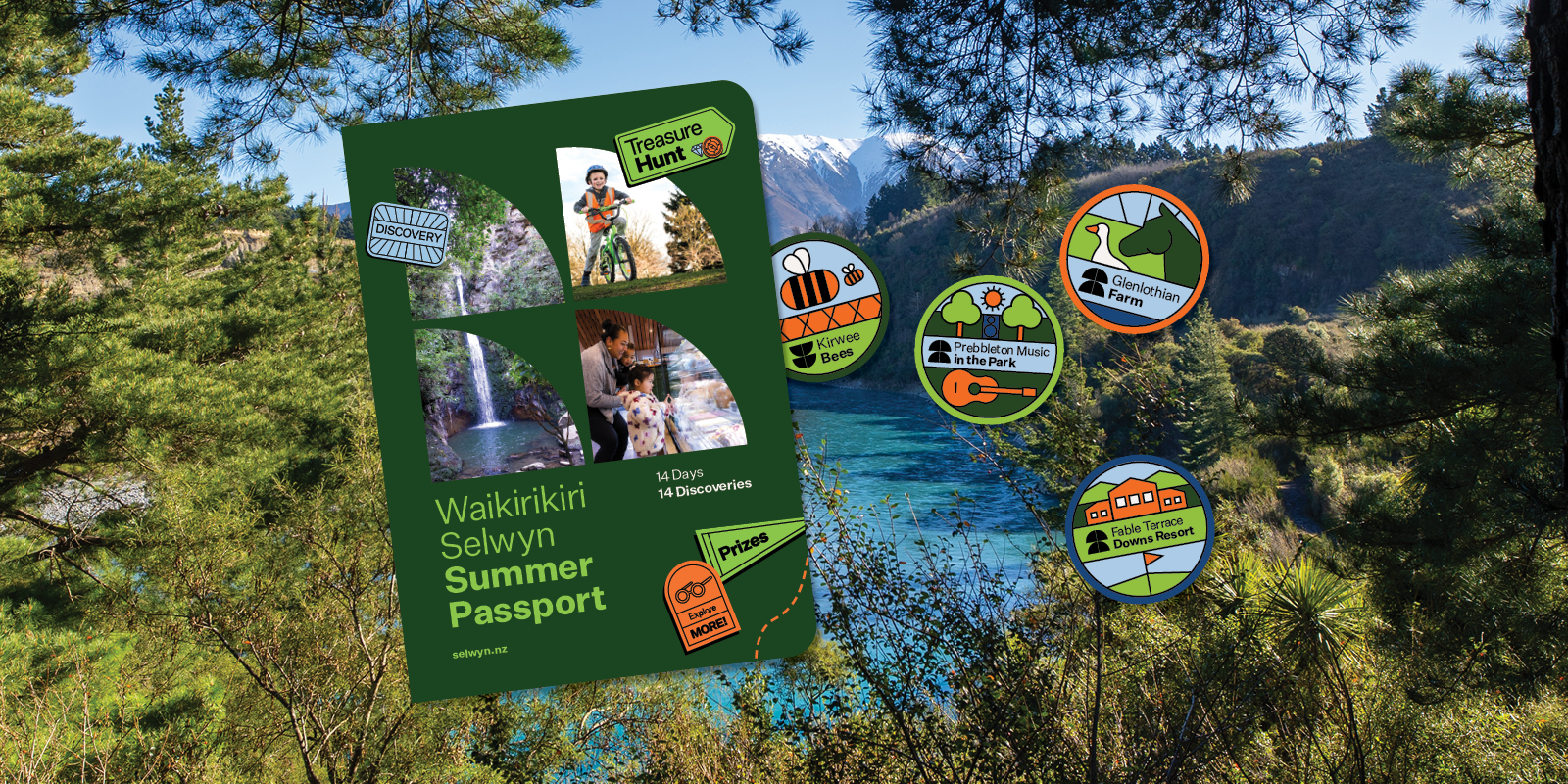
By launching the brand through a soft rollout, we were able to spot any areas that needed refinement through real-world application. This campaign – the Waikirikiri Selwyn Summer Passport campaign – was an interactive initiative that promoted the region's drawcard and incentivised visitation. From walks to local businesses to landmarks, the campaign had both local and visiting families exploring across the district.
At the same time, the new digital platform, selwyn.nz, was introduced. This platform includes:
- An AI-powered Selwyn Guide that delivers personalised recommendations to build your own itinerary
- A logo maker, which anyone in the community can use to create their own unique mark
- A community toolkit enabling businesses and residents to actively use and shape the brand.
This approach prioritises accessibility and participation, positioning the council as a steward rather than an owner of the brand.


The impact of co-design
Since the launch, the place brand has been rolled out across multiple applications.
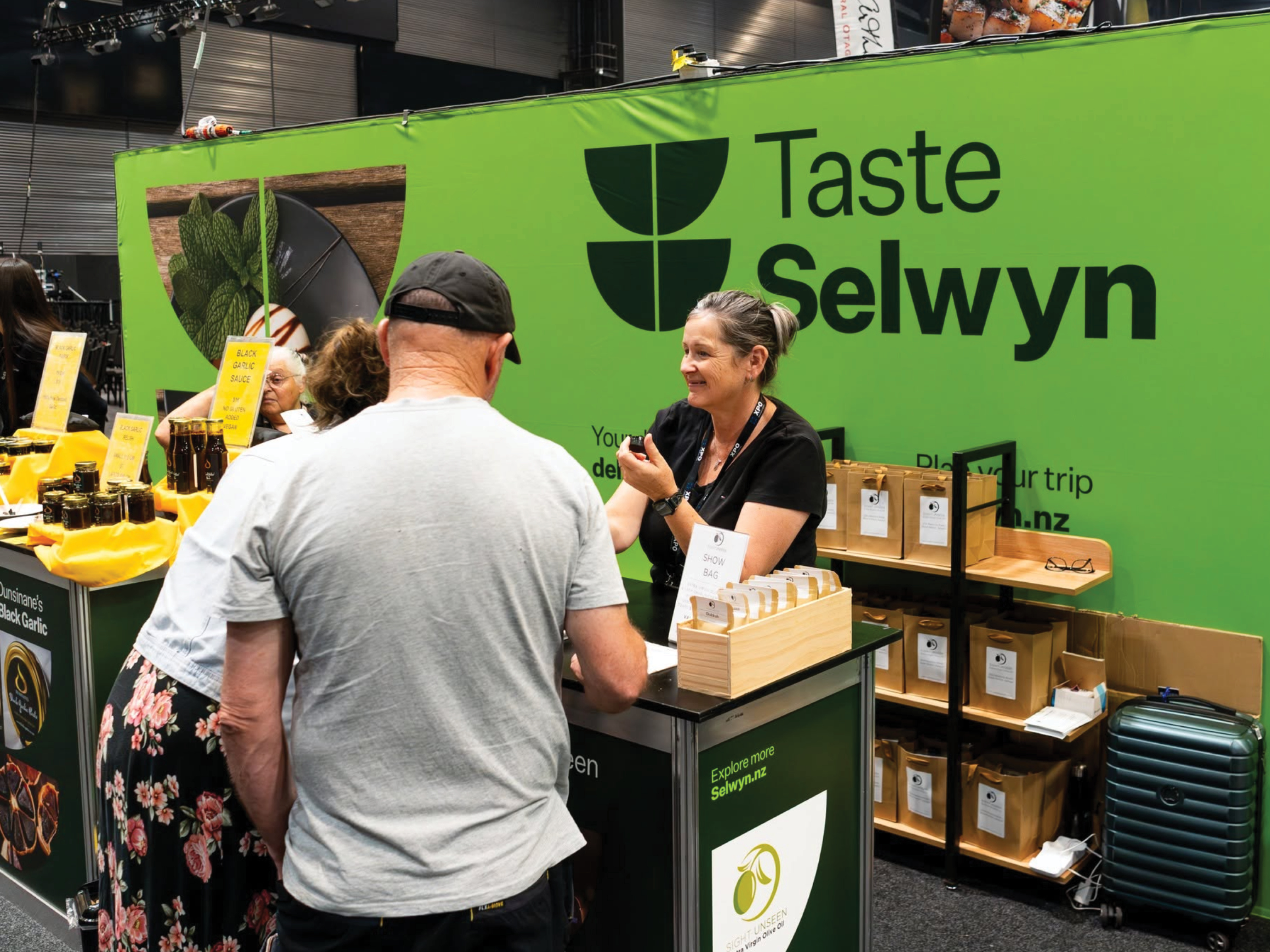
- The Food Show exhibition and social content used the brand's Taste pillar to show off the region’s abundance of food and beverage producers. Local food businesses were able to apply the brand to their own content, creating a bold, cohesive look.
- A talent attraction campaign activated the Live pillar, celebrating the many things that make the district a great place to relocate.
- Events brochures use the brand to promote Selywn's great venues and the other things that make the region perfect for both big and small events.
- Selwyn's ongoing content, including social media and print, continues to use the branding to stand out.
By the numbers
During January 2026, while the Summer Passport campaign was live, there were:
- 13,716 website sessions (+19%)
- 24,697 page views (+22%)
- 10,817 users
- 4,447 views on the Treasure Hunt campaign page
- 75,975 completed video views
- Sponsored content exceeded targets by 84%
- 6,136 organic search clicks and 283,000 impressions.
Individual businesses also benefited directly, receiving over 2,700 visits to their listings.
These results demonstrate how a co-designed place brand, supported by practical tools and activation, can drive measurable economic and community value.